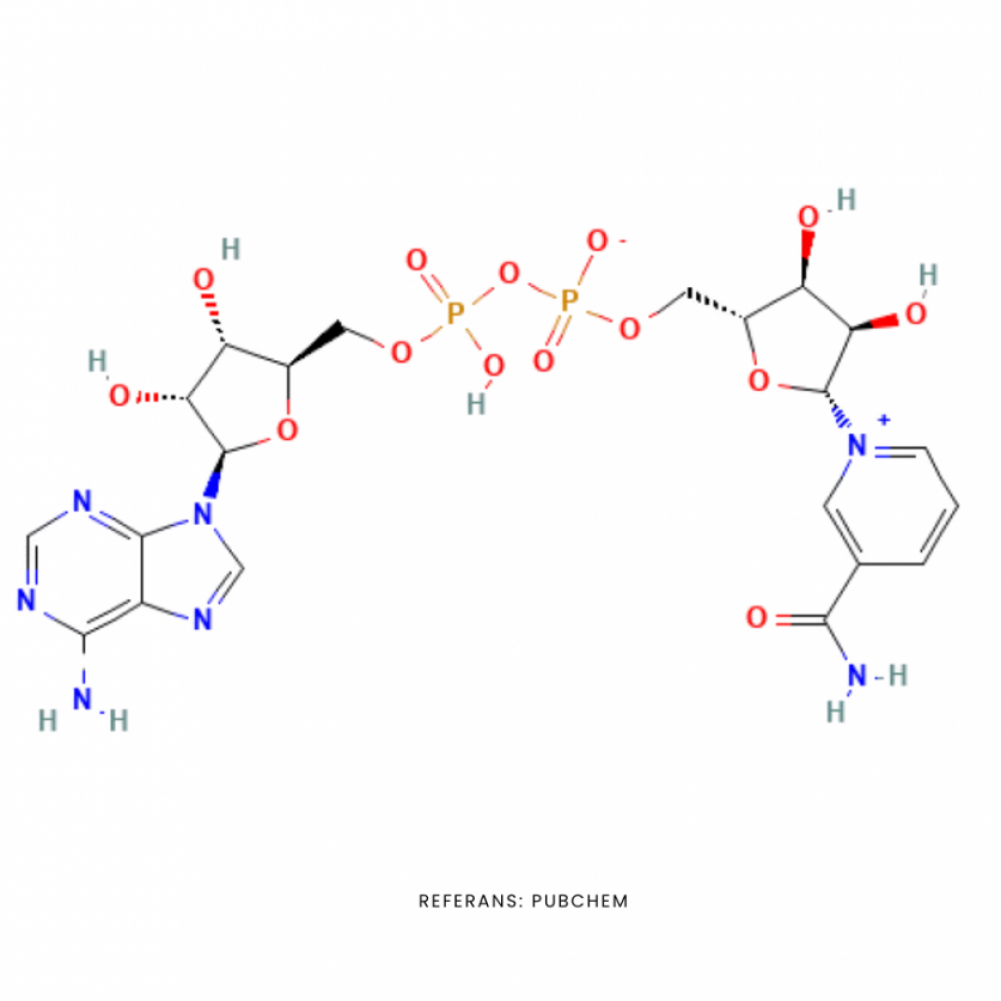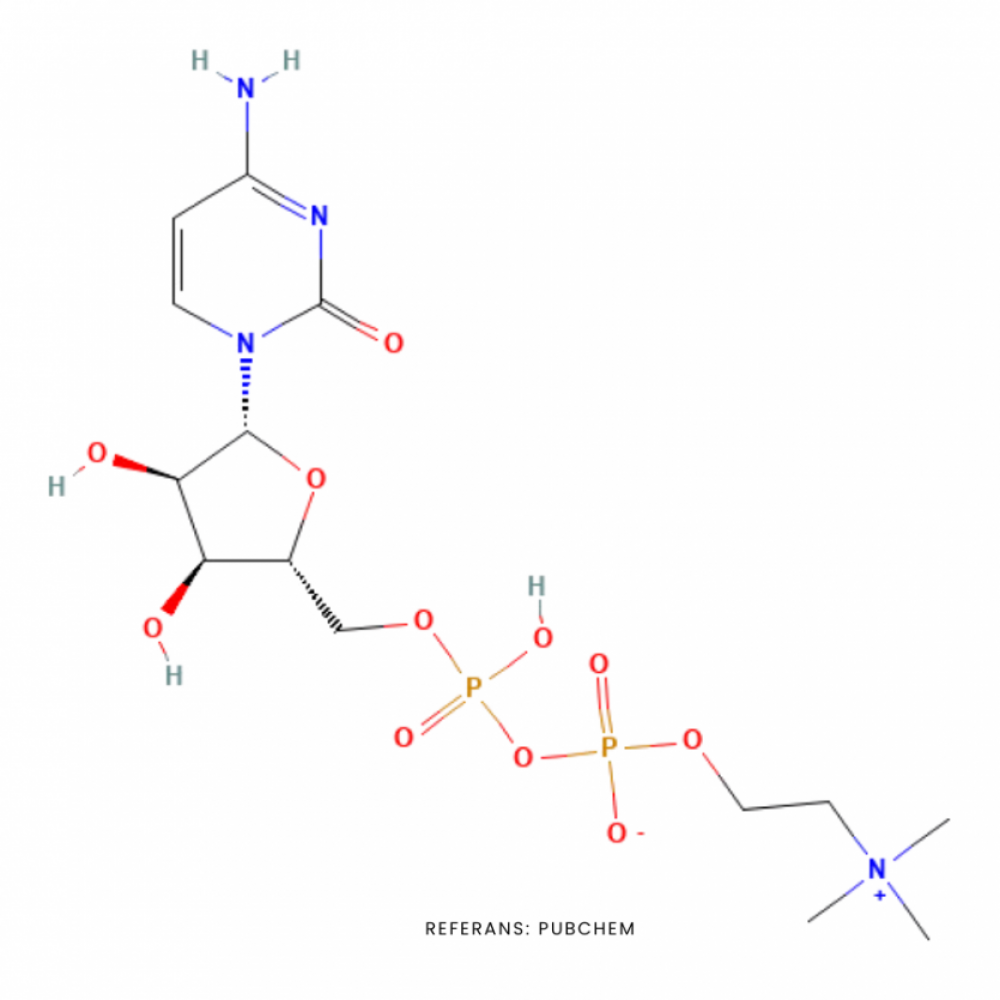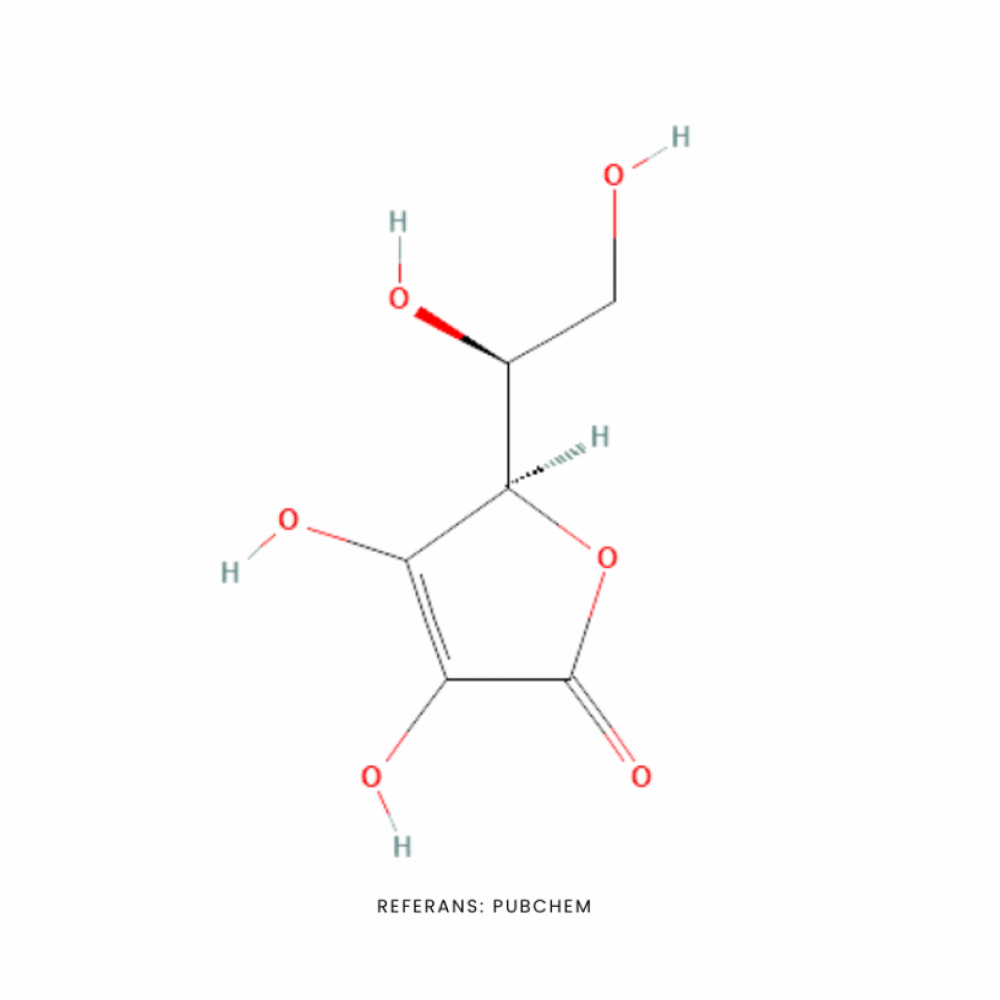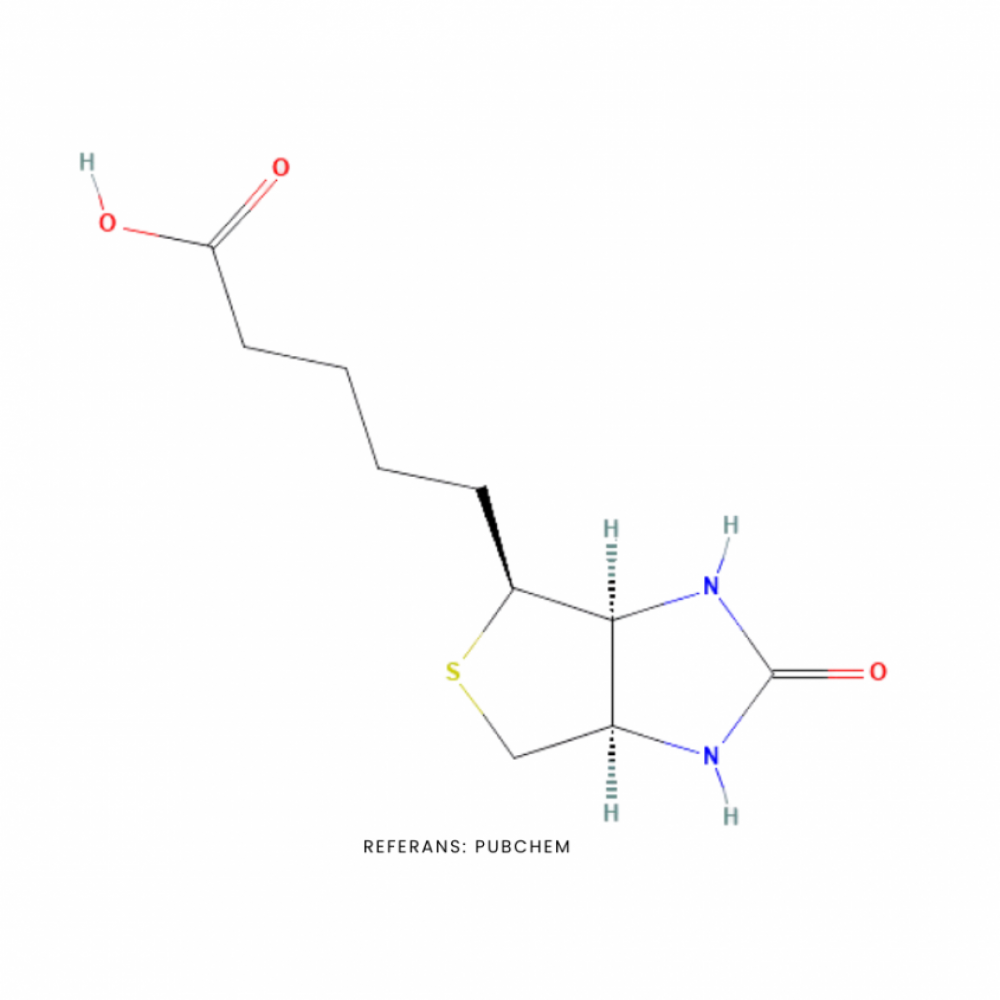
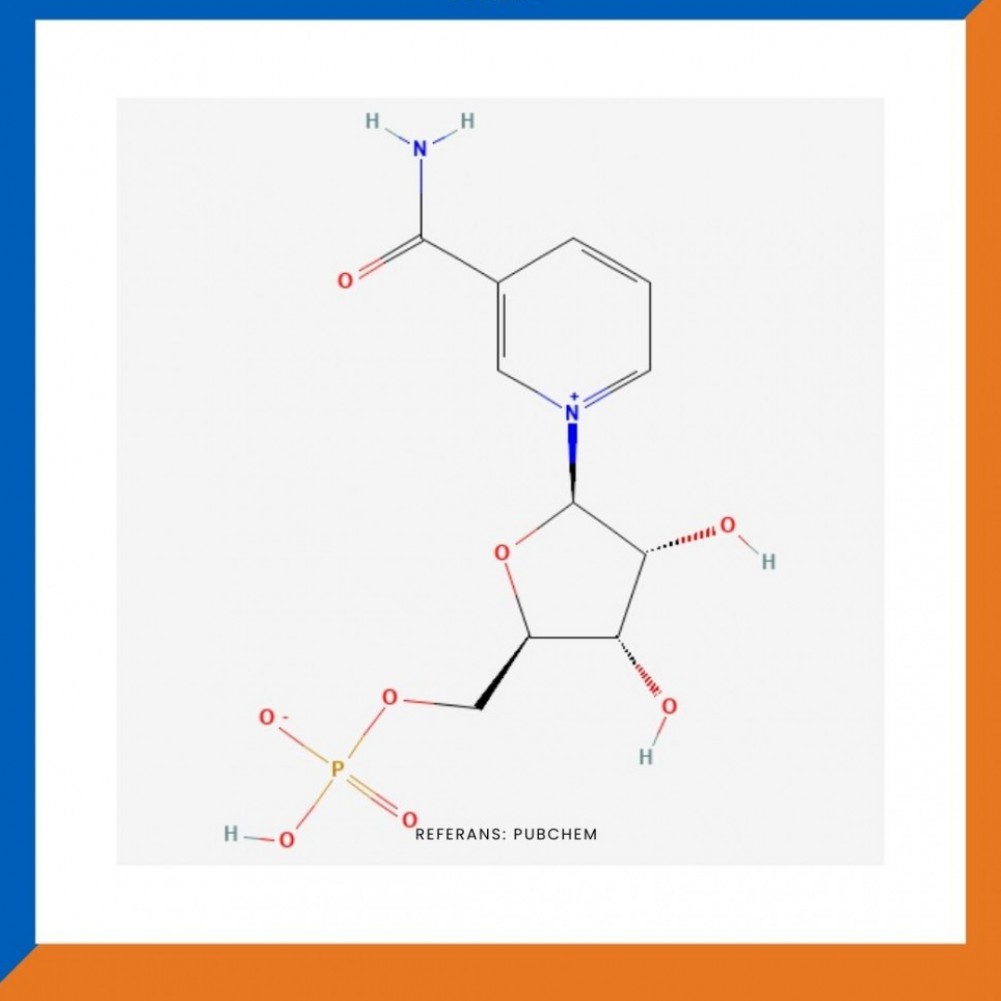
Nicotinamide mononucleotide (NMN) is a nucleotide that occurs naturally in the body. Chemically, it consists of a nitrogenous base (nicotinamide), ribose (sugar), and a phosphate group. NMN is particularly biologically active in its β-NMN (beta anomer) form, and its molecular formula is C₁₁H₁₅N₂O₈P. In PubChem, this compound is registered under CID 14180.
PubChem Chemical Structure Summary:
• Name: Nicotinamide Mononucleotide
• CAS Number: 1094-61-7
• Chemical Formula: C₁₁H₁₅N₂O₈P
• Molecular Weight: ~334.22 g/mol
NMN occurs naturally in small amounts in many plant and animal foods and serves as a critical molecule for energy metabolism within cells.
Structure and Properties of NMN
NMN is a β-nicotinamide ribonucleotide; that is, it is a nucleotide molecule consisting of nicotinamide attached to a ribose sugar and a phosphate group. Structurally, nicotinamide has a phosphate group at the 5′-position of ribose.
The biological role of this molecule is to participate in the synthesis of the coenzyme NAD⁺, which is directly involved in energy metabolism.
Mechanism of Action: Role in NAD⁺ Production
1. NAD⁺ Biosynthesis
The most important biochemical role of NMN is to act as an intermediate in the production of nicotinamide adenine dinucleotide (NAD⁺) in the body. NAD⁺ is vital for cellular energy production and metabolic balance.
NMN plays a critical role, particularly in the NAD⁺ synthesis pathway called the "salvage pathway." This pathway enables the conversion of NAD⁺ consumption products back into NAD⁺ in the cell. NMN is produced by the nicotinamide phosphoribosyltransferase (NAMPT) enzyme system and then converted to NAD⁺ by the NMNAT (nicotinamide mononucleotide adenylyltransferase) enzymes.
2. Cellular Energy Metabolism and Functions
NAD⁺ acts as a coenzyme in cellular redox reactions and is central to energy production within mitochondria. NAD⁺ levels regulate the cell's energy production, DNA damage repair, cellular communication, and overall metabolic functions.
NAD⁺ levels decrease with age; this decrease can contribute to mitochondrial dysfunction, increased oxidative stress, and metabolic imbalances. NMN has the potential for better balance in metabolic processes and cellular energy production because it can help raise NAD⁺ levels in the body.
Biological Effects of NMN
The indirect effects of NMN through its contribution to NAD⁺ production can be summarized as follows:
• Maintaining balance in energy metabolism
• Supporting mitochondrial function
• Contributing to processes that combat cellular stress and oxidative damage
• Playing a role in DNA repair mechanisms
These biochemical roles explain why NMN is studied as an important molecule in health and aging research.
NMN (Nicotinamide Mononucleotide) is a critical nucleotide precursor for NAD⁺ biosynthesis due to its chemical structure. Since the regulation of NAD⁺ levels is important for cellular energy production and the optimization of metabolic processes, NMN is extensively researched in the fields of metabolic biology and aging mechanisms.
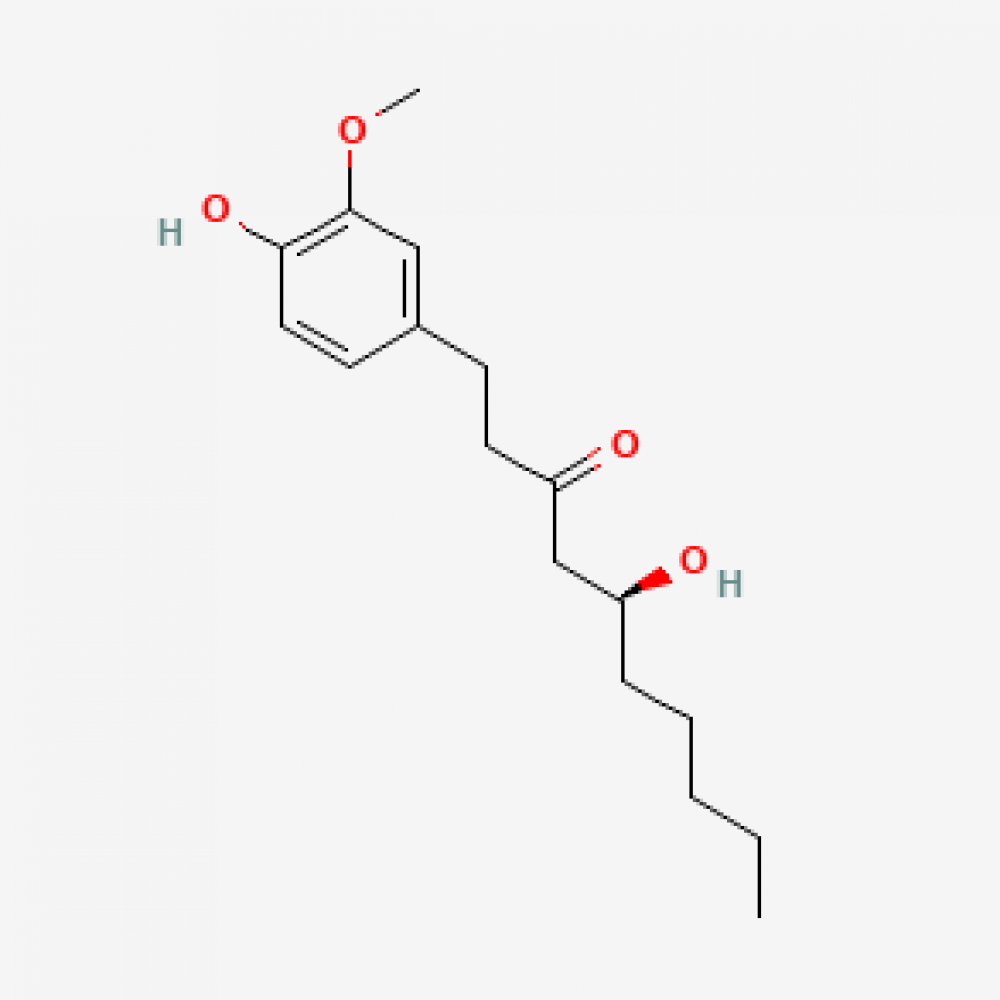
For more information about products containing 6-gingerol developed at the CT Pharma Research R&D Laboratory, please check the link!
References:
https://pubchem.ncbi.nlm.nih.gov/compound/Nicotinamide-Mononucleotide
https://pubchem.ncbi.nlm.nih.gov/compound/5893
https://pmc.ncbi.nlm.nih.gov/articles/PMC9039735/
https://pmc.ncbi.nlm.nih.gov/articles/PMC10721522/